
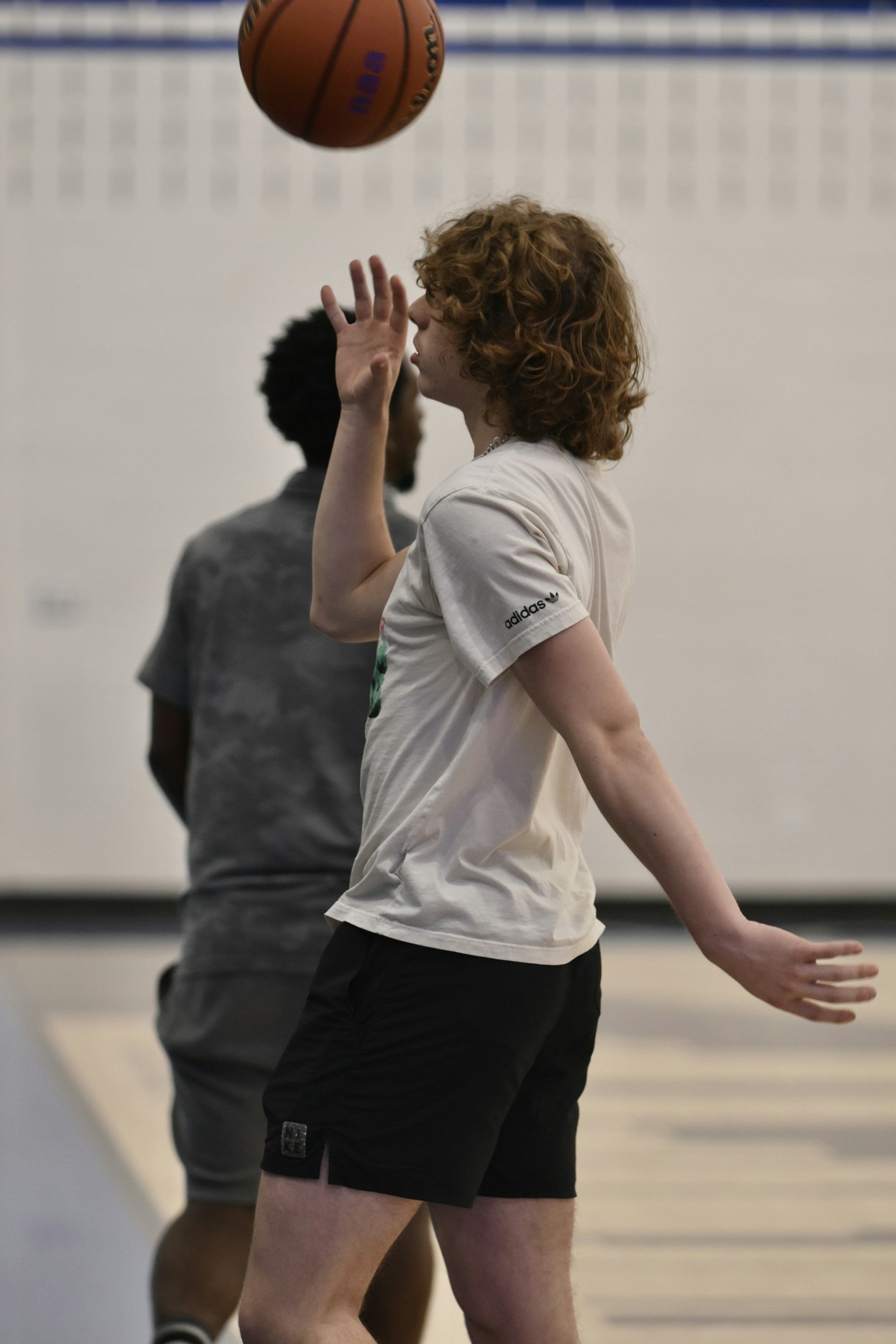
Youth athlete performance & resilience
Helping young athletes thrive - On and off the field (ages 14–17)
Many young athletes experience:
Difficulties with eating patterns, nutrition and food choices
Performance anxiety
Perfectionism and fear of failure
Emotional reactivity or shutdown under pressure
Identity, confidence and self-esteem challenges
Stress related to competition, school, peers or expectations
We address these challenges through psychotherapy — while enhancing performance, focus, and wellbeing.
Adolescence is a critical window for brain development and mental health.
For teenagers today, multiple (and sometimes overwhelming) challenges exist in balancing performance, social needs, parental expectations and also making critical decisions that influence their futures. This program supports young athletes in building:
Healthy relationships with food choices, performance, and identity
Confidence across school, social and sporting demands
Emotional resilience
Sustainable motivation
All grounded in evidence-based psychotherapy and neuroscience.
Motivational Interviewing
|
Cognitive-Behavioural
|
Emotional Regulation
|
Somatic techniques
|
Brain-based education
|
Neuro-nutrition
|
Motivational Interviewing | Cognitive-Behavioural | Emotional Regulation | Somatic techniques | Brain-based education | Neuro-nutrition |
The brain - performance connection
I integrate key factors that influence both mental health and performance:
Food choices and brain-based nutrition for performance and recovery
Stress and nervous system regulation
Emotional coping and behavioural habits
This allows athletes to perform consistently, without burning out.
Why work with me?
I specialize in the intersection of:
Nutrition and mental health
Behaviour and habit formation
Cognitive performance
Adolescent brain development
I work with adolescents and adults navigating anxiety, perfectionism, burnout, and identity - helping them build sustainable, resilient ways of functioning.
The teenage brain is a work in progress - dynamically developing enhanced social, emotional and cognitive skills that set the stage for adulthood. My academic research focusses on adolescent brain development and the influence of nutrition. I have been recognized as a leader in this field, including presenting at TEDxSydney on the topic of adolescent nutrition and brain health. I have been fortunate to work with Olympic athletes, gyms, schools and high performance teams, as well as present talks at multiple mental health conferences and appear on many podcasts.
-
I use a collaborative, strengths-based psychotherapy model tailored to adolescents.
Core methods include:
Motivational interviewing (building intrinsic motivation)
Cognitive-behavioural strategies (focus, thoughts, performance)
Emotional regulation and somatic techniques
Brain-based education (helping athletes understand how they function under pressure and what foods to eat to improve energy, recovery and performance)
Therapy is conducted in a way that:
Respects the young person’s autonomy and voice
Builds motivation for change collaboratively (not through pressure)
Focuses on strengths and existing capacities
Supports skill development for long-term resilience
-
I focus on what’s already working.
Your child will:
Build on their natural strengths
Develop confidence and self-trust
Learn skills they can use in sport, school, and life
-
This program helps young athletes become:
More confident under pressure
Better able to regulate emotions
Informed about their food choices for performance and wellbeing
More resilient to setbacks
More connected to themselves beyond performance
Not just stronger athletes—more grounded, self-aware young people.
-
Therapy is conducted in a way that:
Respects the young person’s autonomy and voice
Builds motivation for change collaboratively (not through pressure)
Focuses on strengths and existing capacities
Supports skill development for long-term resilience
-
Sessions are provided as psychotherapy
Delivered by a Registered Psychotherapist (Qualifying, CRPO)
May be eligible for reimbursement through extended health benefits (depending on your plan)
-
Parents are an important part of the process.
I provide:
Periodic progress updates (while maintaining appropriate confidentiality)
Guidance on how to support your child without increasing pressure, particularly around nutrition, recovery and emotional wellbeing
Some words from professional athlete colleagues
“As someone who has spent years competing in high‑performance rugby, I know how heavy the mental load can be and how closely mindset, nutrition, and performance are linked. Amy really gets that world, she understands how the brain works under pressure, how food and behaviour show up in real life, and how to create a space where you can actually talk about it honestly. She knows her way around the brain, nutrition, and how to chat with people in a way that feels both informed and genuinely human.”
— Josh Allan - University Of Toronto Rugby Head Coach“As a former elite athlete, I’ve experienced the mental health burden that comes with it. Having known Amy for a number of years, I know firsthand the depth of her knowledge when it comes to the brain, nutrition and cutting-edge therapies.”
— Brock McLean - Australian Football League (AFL) Player (Retired)