
Psychotherapy for anxiety, perfectionism, burnout, food addiction, perimenopause and high performance.
People don’t just need coping. They need their nervous system to learn that they can be safe, seen, have needs, and still belong.
I work with high-achieving, thoughtful people who look like they're coping on the outside but privately struggle with perfectionism, shame, major life transitions, grief, or feeling like they have to carry everything themselves. I combine neuroscience with relational psychotherapy and has spent years researching how the brain changes.
A relational, trauma-informed, and neuroscience-based approach.
This means we work not only with thoughts and behaviours, but with evidence-based nervous system patterns that influence regulation, craving, attachment, and self-perception. Therapy is collaborative and paced, with close attention to safety, curiosity, and consent.
Life isn't about avoiding pain, it's about learning how to carry it without losing sight of what matters most. Using Acceptance and Commitment Therapy (ACT), I help clients develop greater emotional flexibility, make space for difficult experiences, and reconnect with the values, relationships, and goals that give life meaning.
I also approach what you want to talk about with curiosity rather than assumptions. Instead of focusing on what is “wrong” with you, we explore what it is like to be you, helping you better understand your thoughts, emotions, body sensations, and experiences without judgement.
I work at the intersection of nervous-system safety, identity, and meaningful change.
Many high-functioning people can articulate their struggles, yet still feel stuck in shame, self-doubt, or imposter syndrome. Together, we map how your symptoms make sense - often as protective adaptations to experiences where belonging or worth felt conditional. Using an integrative approach, we support stabilization, deepen processing, and help you reclaim an internal locus of control. The goal isn’t just coping - it’s integration: feeling more like yourself, with steadier self-trust and more space to live.
I focus on relational trauma, anxiety, burnout, career change concerns, food addiction, emotional eating, and body image.
Rather than framing these difficulties as problems to control or eliminate, we explore how and why they developed, what they protect against, and how new forms of regulation and self-trust can be cultivated. This work often involves gently separating physiological drives from emotional needs, reducing shame, and building more compassionate and flexible responses over time.
Polyvagal and somatic techniques can be used to support nervous system regulation and embodied awareness.
If you feel chronically on edge, disconnected from your body, or caught in cycles of reactivity or shutdown these techniques can help. By working with sensations, movement, breath, and cues of safety, we support regulation from the bottom up — helping the body learn that it is safe.
At Cultivae Psychotherapy, the aim is not to override parts of yourself, but to create the conditions in which steadier regulation, clarity, and agency can emerge.
‘Between stimulus and response there is a space. In that space is our power to choose our response. In our response lies our growth and our freedom’ - Viktor Frankl
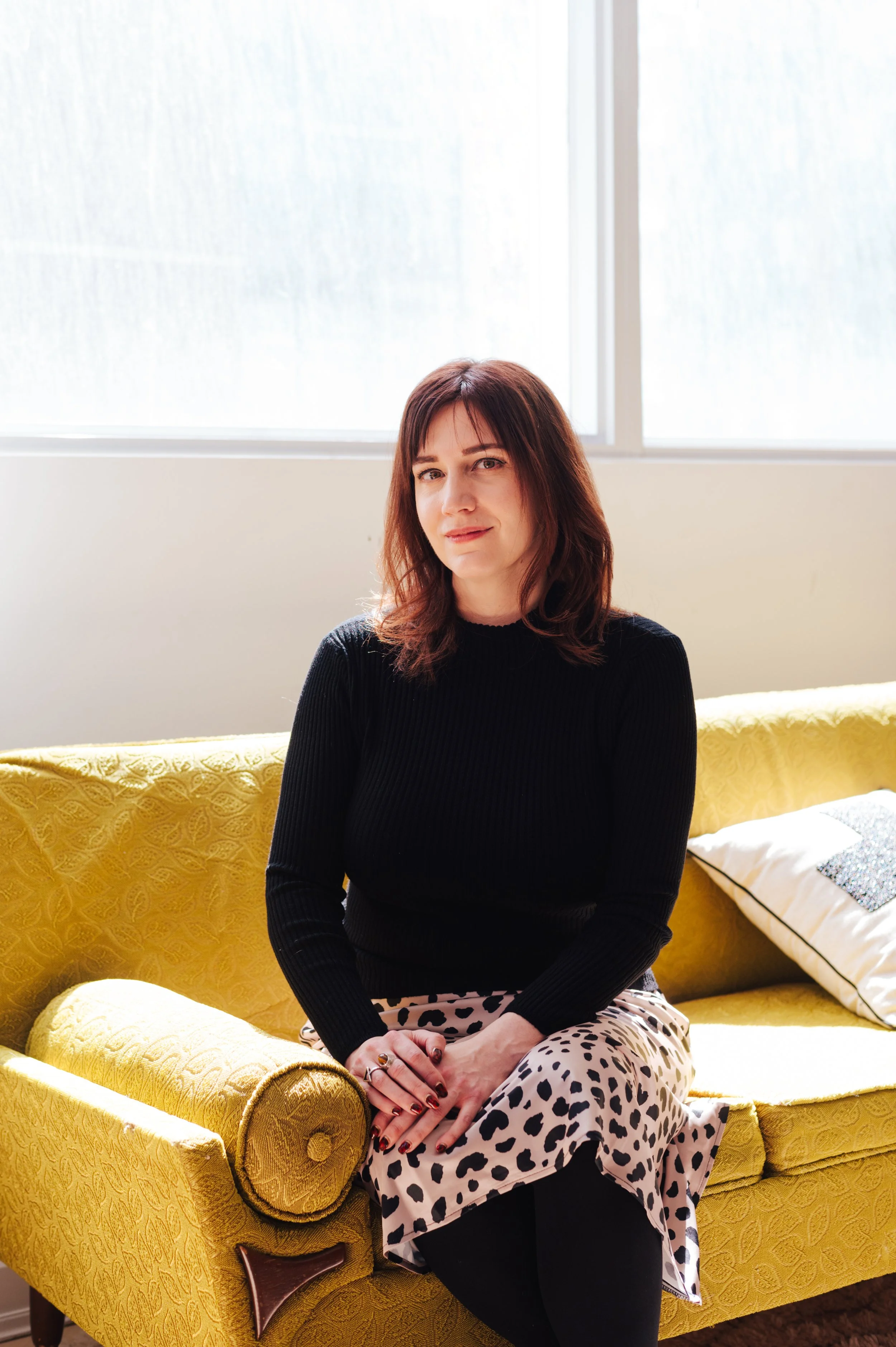
Qualifications and certifications
Ph.D. Behavioural Neuroscience. Cardiff University, UK
MA. Counselling Psychology. (In progress) Yorkville University, Canada
BSc. (Honours, 1st Class). Psychology. University of Birmingham, UK
Registered Psychotherapist (Qualifying) College of Registered Psychotherapists Ontario (CRPO)
Chartered Psychologist (CPsychol.) British Psychological Society
Graduate Diploma. Certified Holistic Nutritionist and Health Coach
Psychedelic-Assisted Therapy Foundations - ATMA CENA
Applied Clinical Practice in Psychedelic Therapy - ATMA CENA
Transcranial Electrical Stimulation (TES) Certification - PlatoWorks
Yoga Instructor - RYT 200h, Trauma-informed yoga, Yoga Nidra, Somatic Yoga, Yin yoga, Pranayama / Breath-work Facilitator
Certified Clinical Trauma Professional Level 1 and Level 2 (CCTP-I/II)
Therapeutic Yoga for Trauma Recovery Certificate - Dr Arielle Schwartz
Addiction Care and Treatment - University of British Columbia
Mental Health First Aid
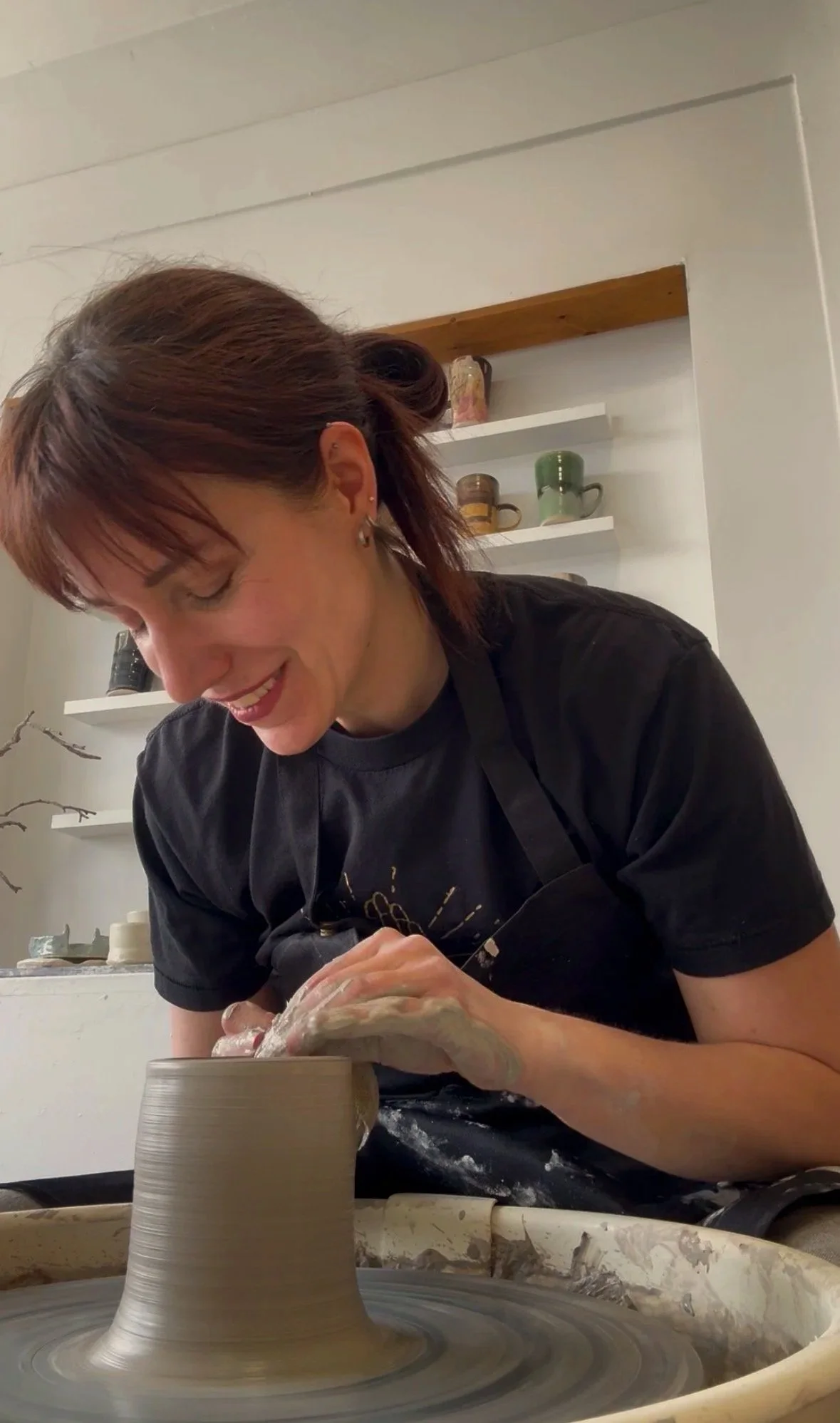
My philosophy: Sometimes we just need a space to take off our armour
Many people who’ve had to survive high-pressure or unsafe environments develop a kind of internal armour. It’s the part of you that stays competent, vigilant, responsible, and strong. That armour is not a problem — it probably saved you at some point.
The issue isn’t having armour. The issue is when the nervous system never gets permission to take it off.
Under that armour there are often scars from experiences where you had to grow up fast, protect yourself and others, or carry more than you should have. Sometimes we learn that our worth comes from being useful, capable, successful, or looking after everyone else. We become experts at earning safety through performance, while quietly losing touch with ourselves.
Those scars don’t mean you’re broken. They mean you survived.
Healing isn’t about getting rid of the armour. It’s about learning when it’s safe to gently set it down so your system can rest and restore.
My philosophy is not about trying to make you softer or weaker. It’s about helping your nervous system discover that your value was never dependent on constant achievement, and that safety does not always have to be earned. Together, we create space for strength and vulnerability to coexist — so you can move through life with more freedom, flexibility, and self-compassion.

What’s with the leaf?
I chose a ginkgo leaf as a fitting emblem for Cultivae because it embodies resilience, longevity, and renewal - core themes in both psychological and brain health.
As one of the oldest living tree species, ginkgo symbolizes the brain’s capacity for adaptation and recovery, reflecting processes like neuroplasticity and healing after stress or trauma.
Ginkgo has been studied for its role in supporting brain function and mental clarity - making it a meaningful symbol of cognitive vitality. This aligns with Cultivae’s focus on brain health holistically.
Rather than targeting symptoms in isolation, Cultivae’s approach supports the whole system, helping clients restore clarity, resilience, and sustainable mental functioning over time.
Contact
Starting therapy can feel like a big step, but you don’t have to have it all figured out before reaching out. Whether you’re ready to dive in or just curious about what therapy might look like, I’d love to connect.
Fill out the form to book a free consultation to explore what you’re looking for and see if it feels right.